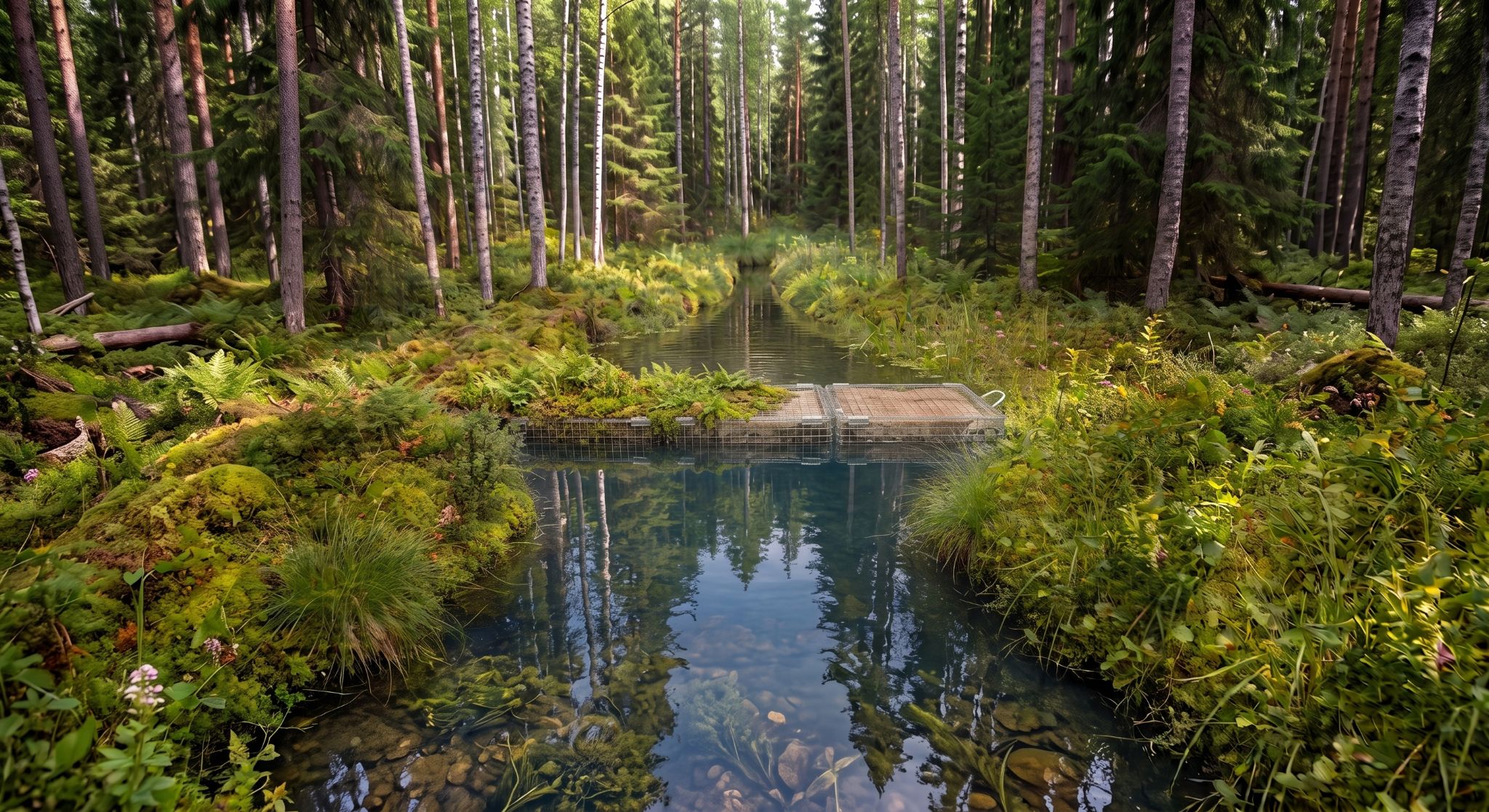
01 · Ecological engineering · Finland
Nucylium
We treat and monitor polluted runoff where water already concentrates.
Nucylium installs modular biological filters in ditches, drains and runoff channels — in forestry, agriculture and on former industrial land — and measures what changes.
Different landscapes. The same treatment gap.
Conventional structures are built to retain coarse sediment. Dissolved nutrients and site-specific contaminants can pass through. A monitored pilot tests an additional treatment layer where water already concentrates.
01
Intercept
02
Treat
03
Monitor
A monitored treatment pilot for your site
Nucylium designs and runs monitored biological-filtration pilots for polluted runoff from forests, farmland and former industrial sites.
Pre-commercial: prototypes tested, pilots in development. The six-month outline below is an indicative planning guide, not a confirmed delivery schedule. Scope, season, responsibilities and costs are agreed before work starts.
Planning guide · weeks 1–4
Assess
- We do
- Review the runoff source, flow, access and target contaminants. Identify whether and where a unit could fit.
- You do
- Share site information and existing samples, arrange access and identify the people responsible for permissions.
- You receive
- A proposed pilot scope, measurement plan and site-specific operating requirements.
Planning guide · months 2–5
Install
- We do
- Configure and place a unit, establish baseline measurements and monitor through an agreed seasonal window.
- You do
- Provide agreed access and permissions, and coordinate site activities that could affect flow or sampling.
- You receive
- A monitored trial with water-quality indicators, service records and operational data.
Planning guide · month 6
Review
- We do
- Compare observations with the baseline, review operating costs and assess whether a further trial or expansion is worthwhile.
- You do
- Review findings with us and decide the next step for your site.
- You receive
- A site-specific findings report, limitations and a recommendation on next steps.
A physical filter. A measured trial.
- 01
Identify
Review the runoff source and channel. Agree target contaminants, baseline sampling and a suitable interception point.
- 02
Treat
Place a configured biological-filtration unit. Manage contact time, flow and bypass, and service the replaceable medium.
- 03
Verify
Compare water-quality indicators before and after treatment, alongside flow and operational data. Report changes and limitations.
Conceptual unit schematic · not a construction specification
- 01Influent water
- 02Replaceable biological filter
- 03Flow control / bypass
- 04Sensor location
- 05Treated-water outlet
- 06Service access
Technical detail · five-stage process
Analyse
Review site information and sampling to select a suitable trial location.
Install
Agree access, baseline measurements, unit configuration and flow management.
Remediate
Evaluate selected fungal and substrate combinations under site conditions.
Monitor
Collect water-quality indicators and operational data to support environmental reporting.
Optimize
Review servicing, contact time and filter performance before deciding on changes.
Three landscapes. A site-specific pilot.
The same pilot framework, configured for your runoff source. Suitability and treatment targets are assessed before installation.
Forestry drainage
- What runs off here?
- Soil particles, dissolved nutrients and organic matter may move through managed forest drainage.
- Where would a unit sit?
- An existing ditch or drainage junction with suitable access and flow conditions.
- What would we measure?
- Nutrients, turbidity and other agreed water-quality indicators, alongside flow and temperature.
- What does a pilot involve?
- Site assessment, baseline sampling, an agreed seasonal trial and review of filter servicing and measured change.
Agricultural drainage
- What runs off here?
- Nutrients and sediment may leave fields through ditches and drains.
- Where would a unit sit?
- A field drainage channel or collection point before runoff enters receiving water.
- What would we measure?
- Nitrogen and phosphorus indicators, turbidity, pH and flow, selected for the site.
- What does a pilot involve?
- Coordinate installation with farm operations, compare baseline and trial samples, and review seasonal performance.
Industrial & Brownfield Sites
- What runs off here?
- Legacy land use may contribute metals or organic contaminants. Characterisation comes before treatment selection.
- Where would a unit sit?
- An accessible runoff collection channel, alongside existing management systems where appropriate.
- What would we measure?
- The contaminants identified by site assessment, with pH, flow and other relevant indicators.
- What does a pilot involve?
- Assess compatibility and risks, choose a suitable medium, monitor a bounded trial and plan safe handling of spent material.
Why fungi?
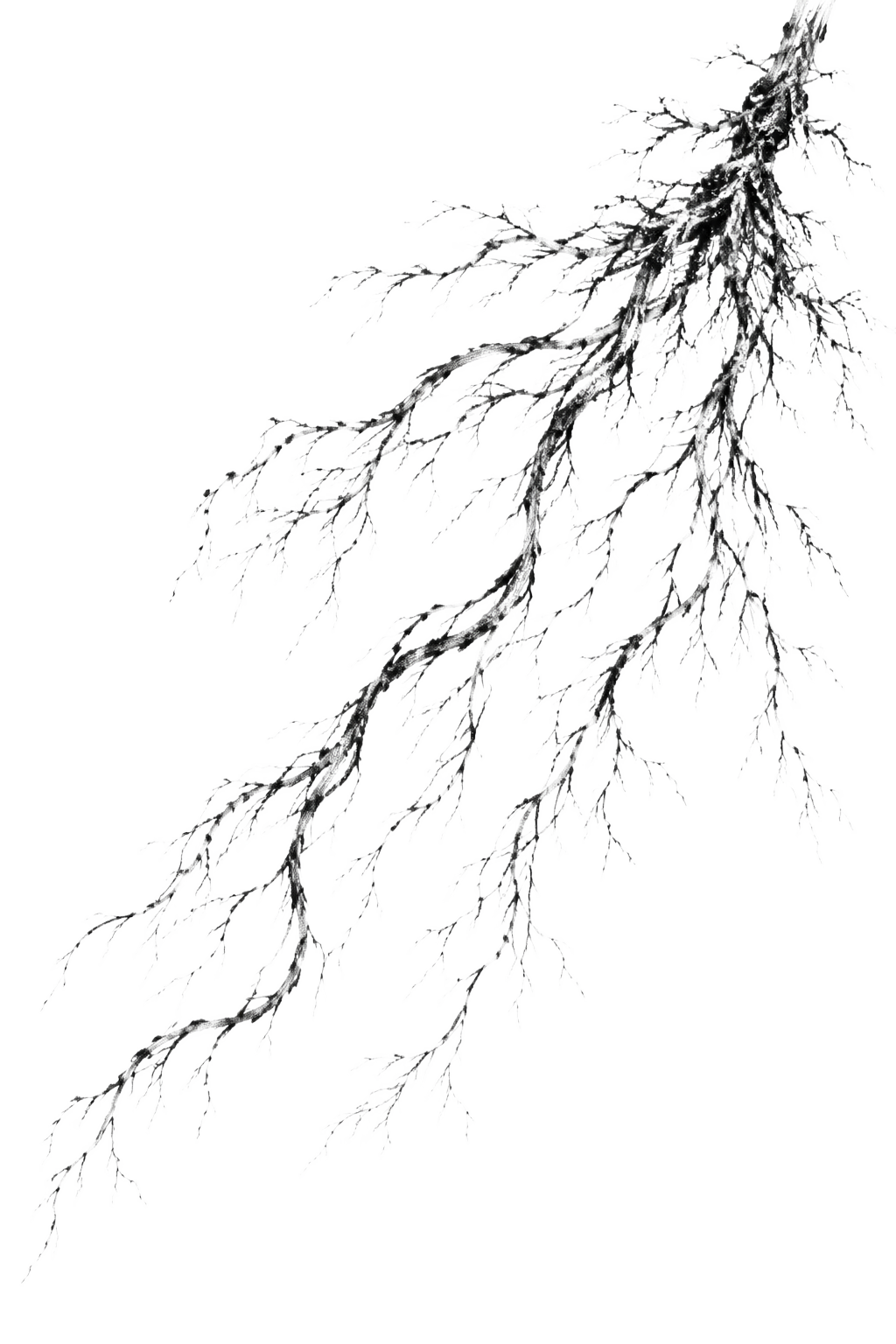
Mycelium is the branching, root-like network of fungi. Its high biological surface area provides a living medium whose behaviour depends on the species, substrate and water conditions.
Nucylium is developing ways to hold this medium in a serviceable filtration unit, with sampling and monitoring to test what happens at each site.
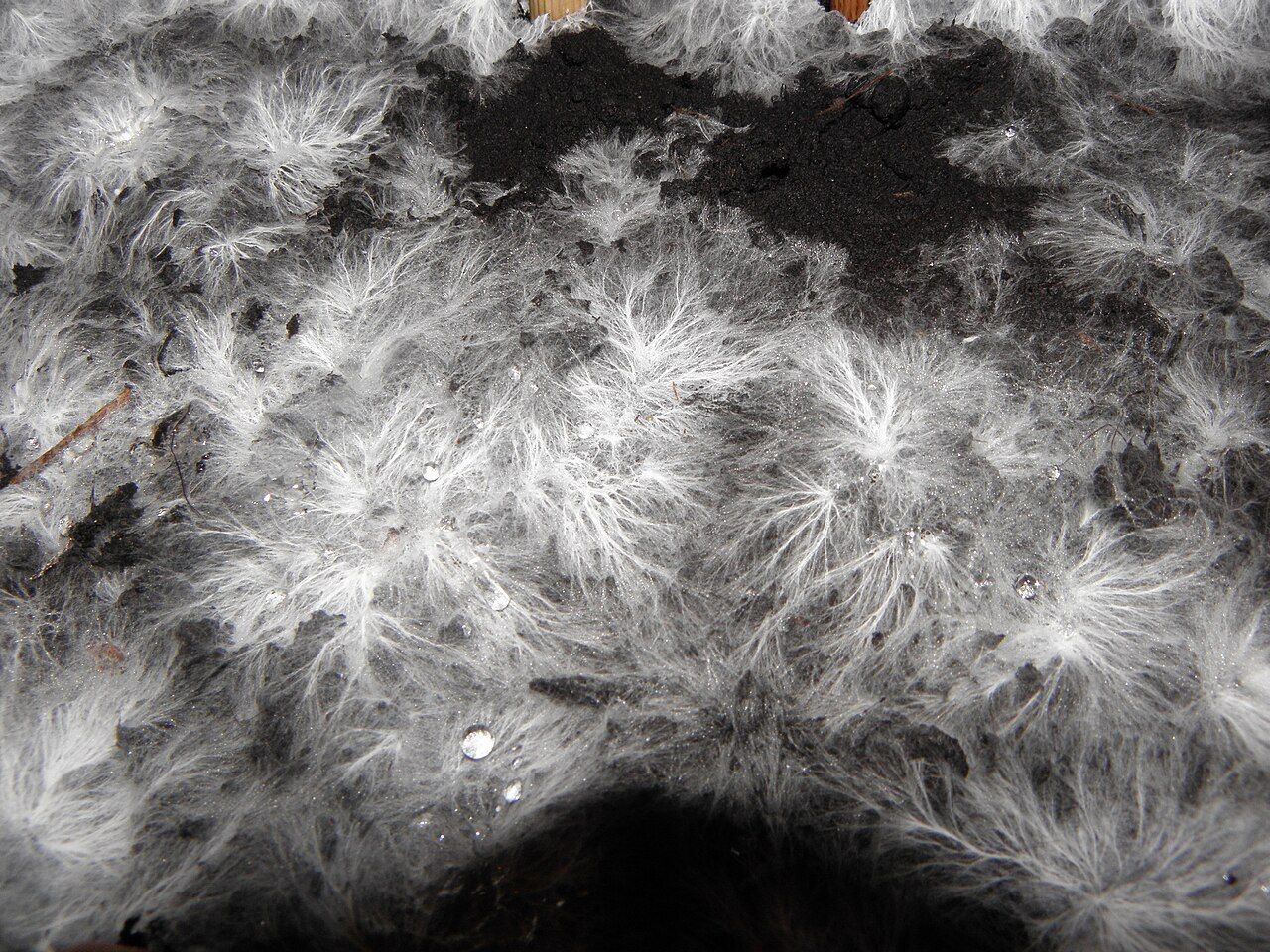
A closer look · the living medium
Binding and immobilisation
Selected fungal and substrate combinations may bind or immobilise certain nutrients and metals under suitable conditions. Phosphorus is bound or immobilised, not broken down. Retention and safe handling of the spent medium need to be assessed.
Transformation
Certain fungal enzymes can transform selected organic compounds; the relevant mechanism depends on the pollutant, species, substrate and operating conditions. Changes in nitrogen indicators need separate interpretation: nitrogen is transformed, not destroyed.
These mechanisms describe potential pathways, not proven performance for every contaminant. Each pilot is intended to establish what works under selected conditions.
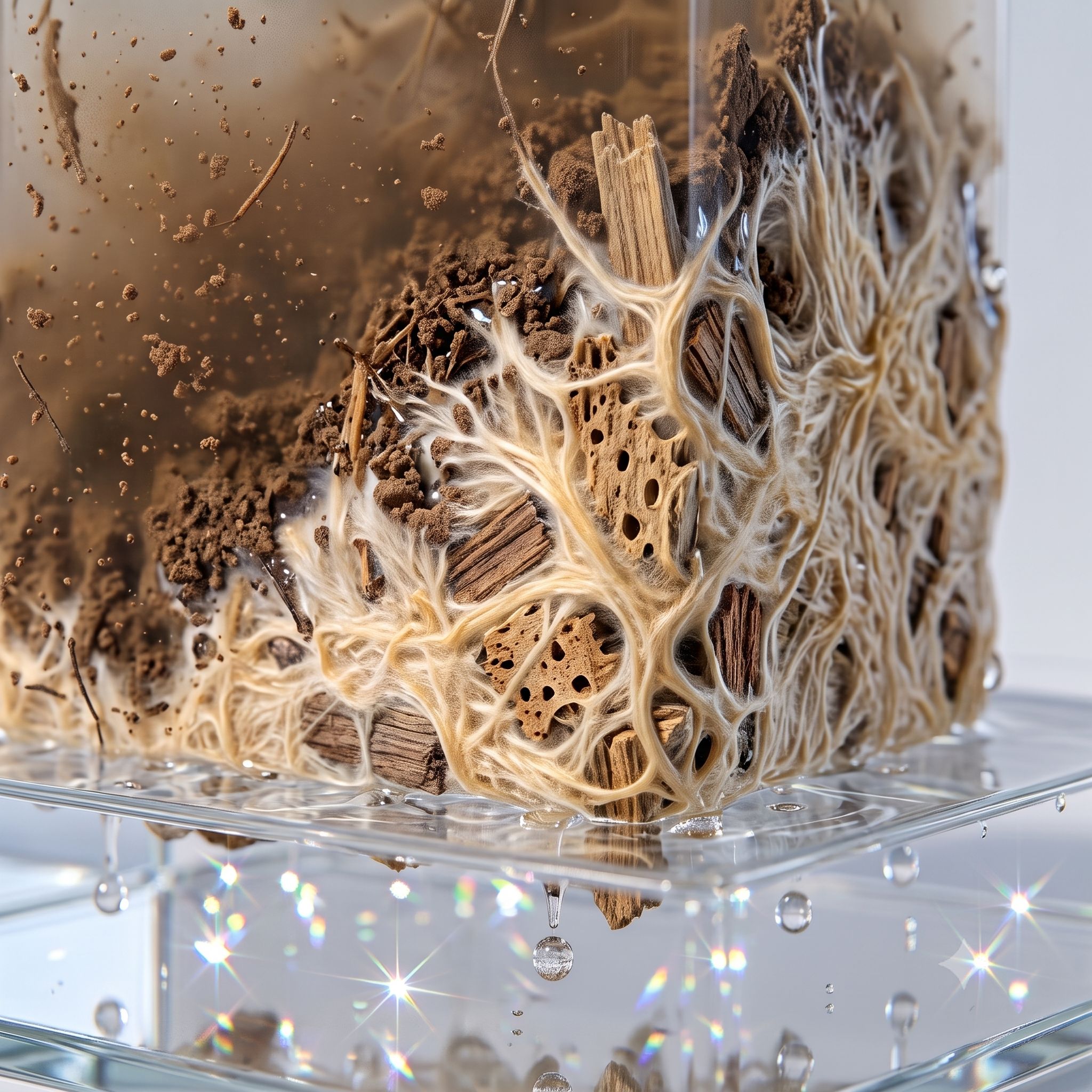
Cultivated filtration material
Early test results
Initial testing has shown promising changes under selected test conditions. These results are preliminary and do not represent guaranteed performance across all sites.
98%
Reported ammonia reduction
0.035 → reported 0 ppm
Test type: not specified in the supplied results. Duration, temperature and sample count: not supplied.
Detection limit: not supplied. A reported zero does not establish complete absence.
90%
Reported nitrate reduction
50 → 5 mg/l
Test type: not specified in the supplied results. Duration, temperature and sample count: not supplied.
Detection limit: not supplied.
83%
Reported clarity increase
Turbidity: 12 → 2 NTU
Test type: not specified in the supplied results. Duration, temperature and sample count: not supplied.
Detection limit: not supplied.
60%
Reported phosphate drop
2+ → 0.8–1.2 ppm
Test type: not specified in the supplied results. Duration, temperature and sample count: not supplied.
Starting concentration and endpoint are reported as ranges; 60% is the reported headline figure.
Technical observations
Testing also identified a substantial pH effect, which is being assessed and optimised before larger deployments. The reported reading changed from 8.4 to 5.6; this is not presented as a beneficial outcome.
Behaviour under freezing conditions was also reported. Exact temperature, duration and test protocol have not been supplied, so this does not establish a validated operating range.
Source: Nucylium Investor Presentation 2026. Percentages reproduce the reported figures; the available readings are not sufficient to independently verify every percentage.
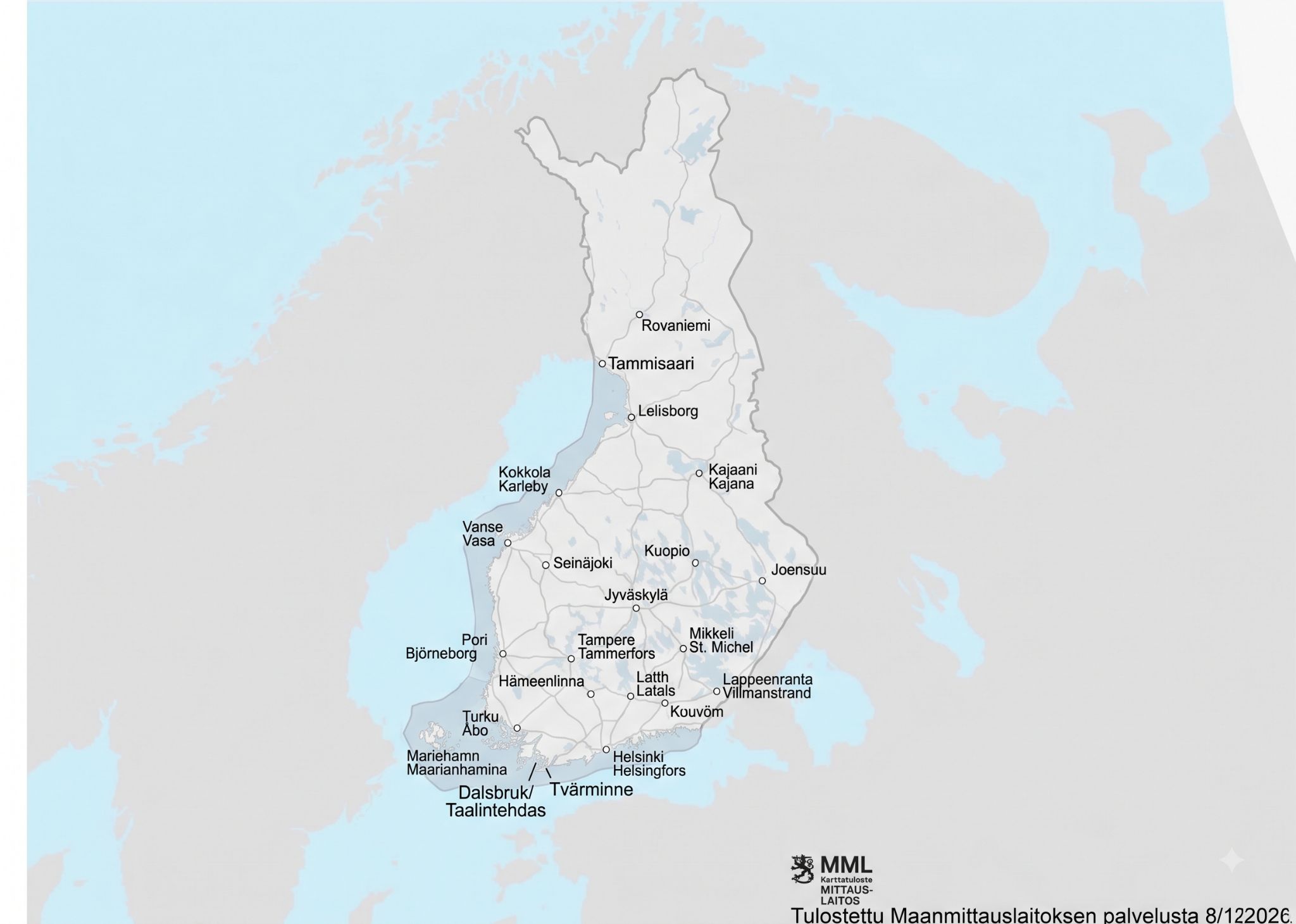
Where we're working
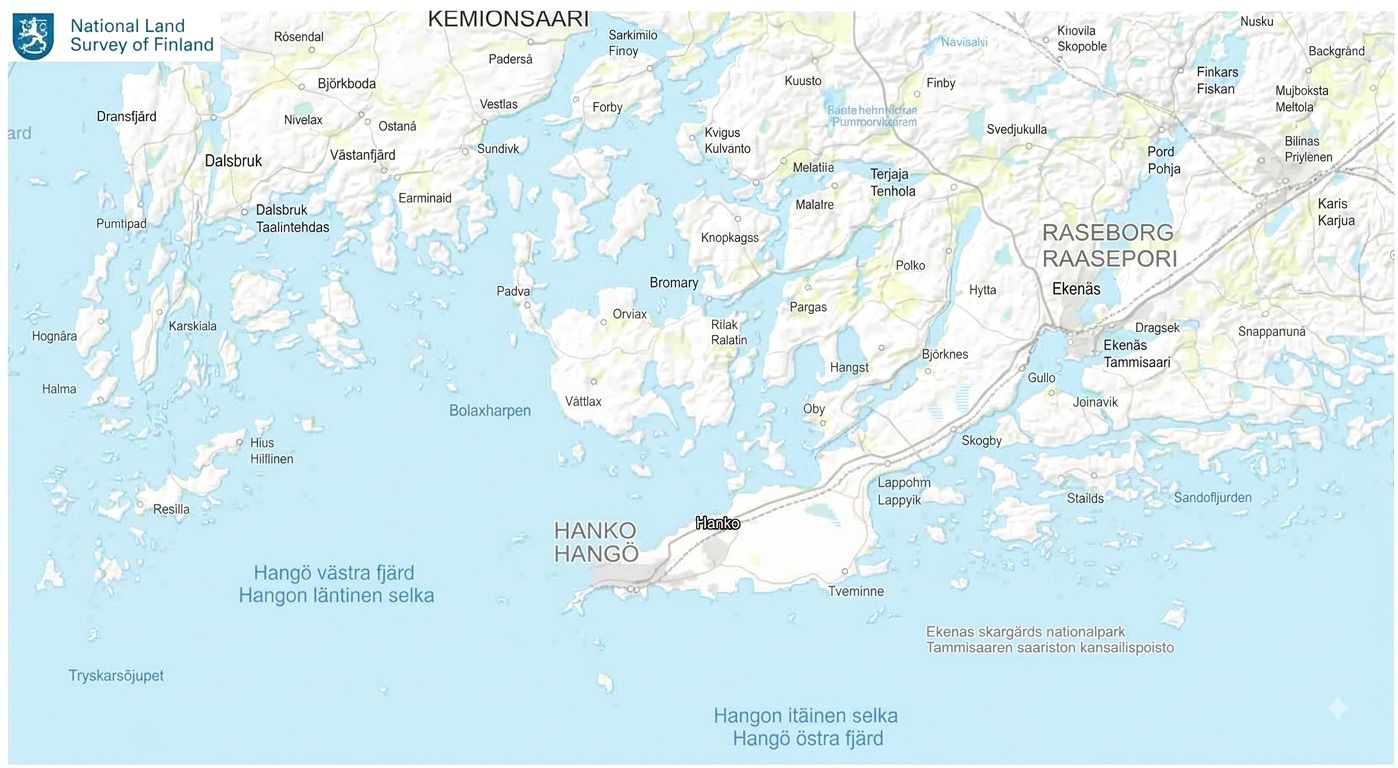
Pilot development is focused on southern Finland. Signed letters of intent, partner relationships and installed units are different milestones; a letter of intent is not a deployment.
Secured · confirmed partners and signed LOIs
Signed LOIs are reported in southern Finland. Individual site-to-LOI assignments have not been provided.
Coastrider
Confirmed partner · mobile environmental sensing.
Minun Mereni Association
Confirmed partner · local site operations in Hanko.
In discussion
No additional named sites or partners are published as being in active discussion without confirmed status.
Exploring · locations awaiting status confirmation
The presentation references the locations below. They are shown for geographic context, not as confirmed installations or individually verified LOI sites.
Dalsbruk
Exploring / status unverified · physical installation not confirmed
Hanko
Exploring / status unverified · physical installation not confirmed
Tammisaari
Exploring / status unverified · physical installation not confirmed
Söderlångvik
Exploring / status unverified · physical installation not confirmed
Technology and delivery partners
We welcome conversations about sensing, sampling and field servicing for monitored pilots. Partner responsibilities are agreed for each site.
Two pathways to test. No assumed end use.
Circularity is part of development, not a proven commercial outcome. Production and end-of-life are separate questions.
Pathway 01 · production
Recovered heat
We are exploring whether low-temperature excess heat can support controlled production of filtration material. Suitability depends on the heat source, operating conditions and production requirements.
Pathway 02 · after use
Filter end-of-life
Spent filters need analysis before deciding whether they can be regenerated, reused, processed or safely disposed of. Material from industrial and brownfield runoff may retain contaminants.
Mushroom cultivation is not the default end use. Any reuse pathway would require contaminant screening and a separate safety assessment.
The people behind your pilot
Biology, site design, hardware and data need to work together. Each team member brings a distinct responsibility to the pilot.
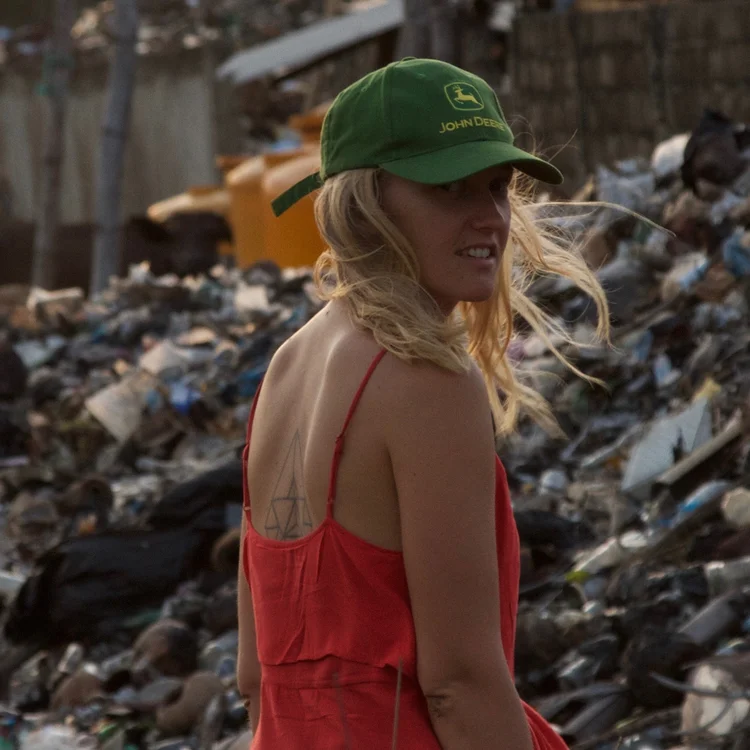
Sabrina Viitasaari
Co-Founder · Regenerative Systems & Environmental Technology
Shapes pilot scope and connects biological treatment with site needs.

Maria Kuzma
Co-Founder · Environmental Architecture & Circular Design
Leads site integration, environmental design and circular-material planning.
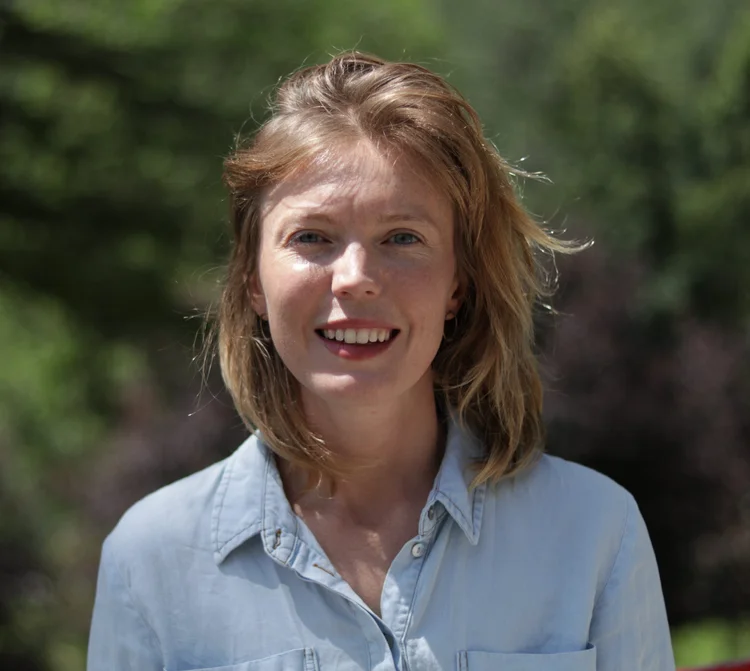
Danielle Stevenson
Scientific Adviser & Research Collaborator · Applied Mycology
Guides fungal selection, test design and interpretation of biological results.
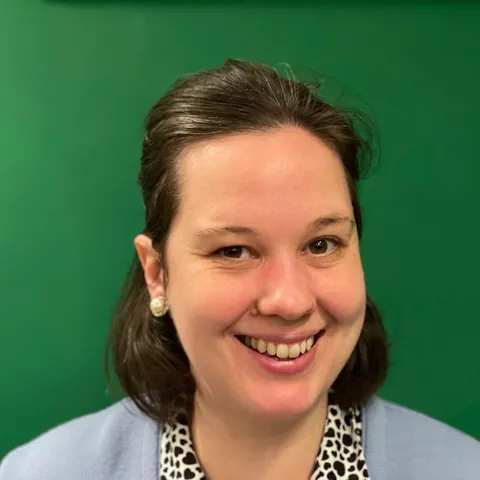
Katariina Kari
Senior Systems Architect · Data & Knowledge Graphs
Structures monitoring data so site observations can be traced and compared.
Riku Kuivalainen
Hardware Lead · Field Sensor Integration & Hardware
Integrates sensors and filtration hardware for field monitoring and servicing.
Dylan Best
Adviser / Lead · AI, Digital & Architecture
Connects people, technology and business across the pilot's digital systems.
Propose a site
Do you manage a site with a difficult runoff problem? We are looking for forestry, agricultural and industrial or brownfield locations suitable for monitored pilot projects.
info@nucylium.com